
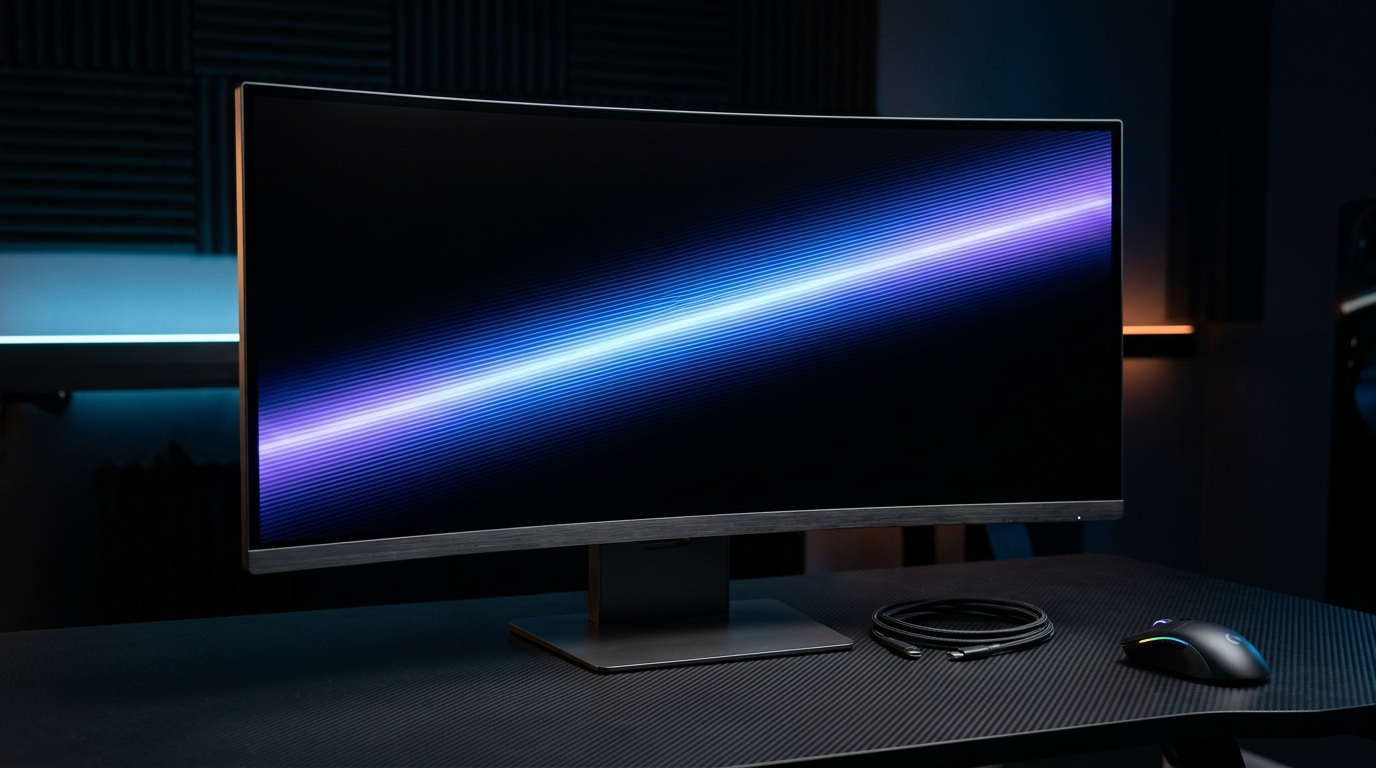
As 4K 240Hz and 1440p 480Hz QD-OLED (Quantum Dot OLED) and WOLED with MLA+ (Micro Lens Array) panels dominate high-end gaming and desktop productivity in 2026, one lingering fear prevents millions of potential buyers from making the leap: permanent pixel burn-in. Because organic light-emitting diodes degrade proportionally to cumulative luminance and heat, static UI elements—such as Windows taskbars, browser tab strips, IDE toolbars, and video editing timelines—pose a genuine risk of uneven pixel wear over extended desktop use. However, modern panel generation algorithms, custom firmware protections, and strategic operating system optimizations have rendered burn-in virtually preventable when properly configured.
- 3rd-Gen QD-OLED & MLA+ WOLED Durability: Newer panel generations incorporate graphene heatsinks and real-time thermal compensation, extending panel lifespan past 30,000 operational hours.
- Automated Maintenance Routines: Pixel Shift (orbiting static pixels by 2–4px) and Pixel Refresh (running every 4 cumulative hours) are mandatory safeguards that must never be bypassed.
- Desktop Hardening: Auto-hiding taskbars, using pure black desktop wallpapers, setting 3-minute display sleep timeouts, and enabling system-wide dark mode eliminate 90% of static luminance stress.
The Science of OLED Pixel Degradation
OLED burn-in is not an instantaneous catastrophic failure; it is differential pixel aging. When blue and red sub-pixels display bright white UI elements at 100% brightness for 10 hours a day, their luminance efficiency degrades faster than adjacent pixels displaying dark content. When viewing a uniform gray background, the aged pixels appear dimmer, leaving a faint ghost image.
| OLED Panel Feature / Guard | How It Works | Recommended Setting in 2026 |
|---|---|---|
| Pixel Cleaning / Refresh | Calibrates voltage across sub-pixels in standby | Always Allow (Triggers every 4 hours in standby) |
| Pixel Shift / Screen Move | Shifts image buffer imperceptibly every few minutes | Enabled (Mode 1 or Mode 2) |
| Logo Brightness Limiter (TPC/GSR) | Dims static logos, taskbars, and browser UI | High / Medium |
| ASBL (Auto Static Brightness Limiter) | Dims entire screen during prolonged static scenes | Enabled (Factory Default) |
Essential Desktop Optimization Checklist
- Auto-Hide Taskbar: In Windows 11 / macOS settings, toggle taskbar auto-hide so bright static icons disappear when not in focus.
- Pure Black Desktop Wallpaper: On OLED displays, pure black (
#000000) completely shuts off individual sub-pixels, reducing heat and wear to absolute zero. - 3-Minute Sleep Timeout: Configure your operating system power plan to turn off displays after 3 minutes of inactivity.
- System-Wide Dark Mode: Force dark mode in browsers (e.g. Dark Reader extension) and code editors.
Compare display technologies in our comprehensive guides on Mini-LED vs. OLED in 2026 and 4K vs. 1440p Ultrawide.
Frequently Asked Questions: OLED Burn-In Prevention
Do 3-year burn-in warranties from Dell, ASUS, and MSI actually cover desktop use?
Yes. Leading manufacturers (including Alienware, ASUS ROG, MSI, and Gigabyte) now include full 3-year OLED burn-in replacement coverage that explicitly protects against normal desktop productivity and gaming burn-in.
Should I unplug my OLED monitor from the wall when not in use?
No! Never cut power to your OLED monitor at the power strip. OLED monitors require continuous standby power to execute their automated pixel cleaning compensation cycles after you turn off your PC.
Is QD-OLED or WOLED more resistant to burn-in?
3rd-Generation QD-OLED and MLA+ WOLED panels have virtually identical real-world burn-in resistance. WOLED uses a dedicated white sub-pixel for high brightness, while QD-OLED utilizes quantum dots and custom heatsinks to dissipate thermal load efficiently.
OLED burn-in anxiety is largely a relic of early generation panels. With 3rd-generation QD-OLED and WOLED panels backed by manufacturer 3-year burn-in warranties, paired with basic desktop habits like auto-hiding taskbars and letting standby pixel refreshes run, desktop users can enjoy infinite contrast and pristine HDR visuals without compromise.