
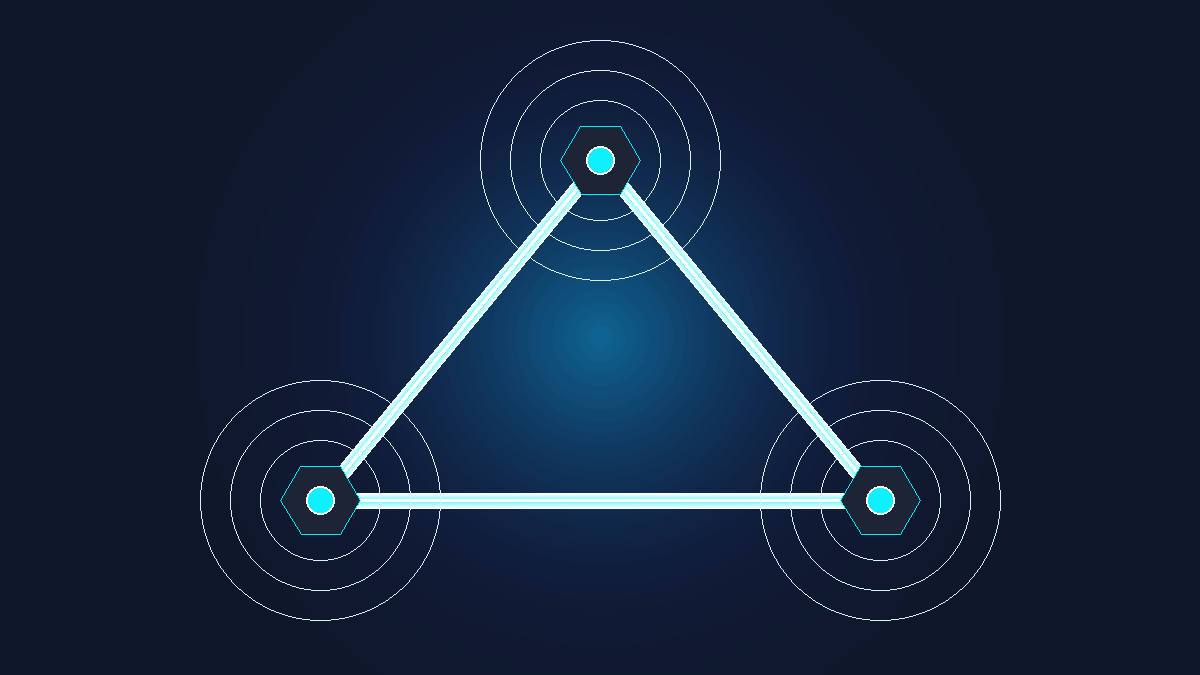
- The Micro-Cluster Reality: Three mini PCs powered by Intel Core Ultra (Meteor Lake / Arrow Lake) or AMD Ryzen 8000/9000 APUs provide 24 physical cores, 192GB DDR5 RAM, and sub-45W total idle power draw for under $1,800.
- Ceph Hyperconvergence vs. Proxmox Cluster Quorum: Running a 3-node Ceph storage pool on consumer NVMe drives requires dedicated dual-port 10GbE/25GbE point-to-point interconnects (mesh topology) to prevent corosync latency timeouts.
- High Availability (HA) Failover Speed: Configuring hardware watchdog timers and automated fence devices enables zero-touch VM live migration and sub-10-second failover recovery during hardware outages.
For years, the gold standard of serious home lab virtualization was a decommissioned enterprise rackmount server: dual Intel Xeon E5 or Scalable processors housed in a deafening 2U chassis consuming 250W to 400W of continuous wall power. In 2026, rising residential electricity costs and monumental leaps in mobile APU efficiency have made enterprise surplus servers an obsolete relic.
Today, the most powerful, silent, and electricity-efficient virtualization platform is the **High-Availability Proxmox Micro-Cluster**—a trio of compact, high-performance mini PCs interconnected via high-speed 10GbE networking, sharing hyperconverged storage, and providing seamless enterprise-grade redundancy in a shoebox-sized footprint.
The Hardware Architecture: Mini PC Micro-Cluster vs. 2U Enterprise Rack
Evaluating an ultra-compact 3-node cluster against a traditional rackmount workhorse highlights the staggering efficiency advantages of modern silicon:
| Architecture Dimension | Legacy 2U Enterprise Server (Dell R740) | 3-Node Proxmox Micro-Cluster (2026) |
|---|---|---|
| Total Idle Power Draw | 180W – 320W continuous | 32W – 48W total (3 nodes combined) |
| Acoustic Noise (Idle/Load) | 52 dB – 68 dB (Industrial whir) | Sub-22 dB (Whisper quiet) |
| Redundancy / Single Point of Failure | Single motherboard/backplane failure kills all VMs | Full N+1 High Availability with automated failover |
| Compute Density (3 Nodes) | 24 Cores / 48 Threads (Older IPC) | 24 Cores / 48 Threads (Zen 5 / Arrow Lake IPC) |
At an average Canadian electricity cost of $0.16/kWh, operating a 280W legacy rack server costs approximately $392 annually in pure idle power. A 40W 3-node micro-cluster costs only $56 annually—saving more than $330 per year in electrical overhead alone while delivering vastly superior single-thread performance.
The 10GbE Switchless Full-Mesh Networking Topology
The primary technical hurdle in building a 3-node cluster is handling Ceph synchronization and Proxmox Corosync cluster heartbeats without buying an expensive managed 10GbE/25GbE switch. The solution is a **Switchless Full-Mesh Network**:
# /etc/network/interfaces on Node 1 (pve1)
auto lo
iface lo inet loopback

# Management Network (Standard 2.5GbE to Router)
auto eno1
iface eno1 inet static
    address 192.168.1.101/24
    gateway 192.168.1.1

# Direct Point-to-Point Link to Node 2 (10GbE SFP+)
auto enp1s0f0
iface enp1s0f0 inet static
    address 10.10.12.1/24
    mtu 9000

# Direct Point-to-Point Link to Node 3 (10GbE SFP+)
auto enp1s0f1
iface enp1s0f1 inet static
    address 10.10.13.1/24
    mtu 9000
By connecting dual-port 10GbE SFP+ or 10GBase-T interfaces directly between nodes in a triangular loop, intra-cluster Ceph storage replication and Corosync traffic bypass your home network switch entirely, operating at zero-latency wire speeds with 9000 Jumbo Frames enabled.
Frequently Asked Technical Questions
A 2-node cluster requires an external quorum device (QDevice)—such as a lightweight Raspberry Pi or cloud VM running corosync-qnetd—to provide the tie-breaking third vote and prevent split-brain conditions when one node goes offline.
Consumer NVMe drives lack Power Loss Protection (PLP) and sustain high write amplification under Ceph workloads, which can trigger write stalls during high I/O. For Ceph OSDs, used enterprise U.2/U.3 drives (such as Samsung PM9A3 or Micron 7450) with M.2-to-U.2 adapters are strongly recommended.
The 3-node mini PC micro-cluster represents the pinnacle of modern home lab engineering. By combining high-IPC mobile silicon, switchless full-mesh 10GbE networking, and Proxmox VE High Availability, you achieve true enterprise resilience and zero-downtime maintenance while pulling less electricity than a single incandescent lightbulb.