
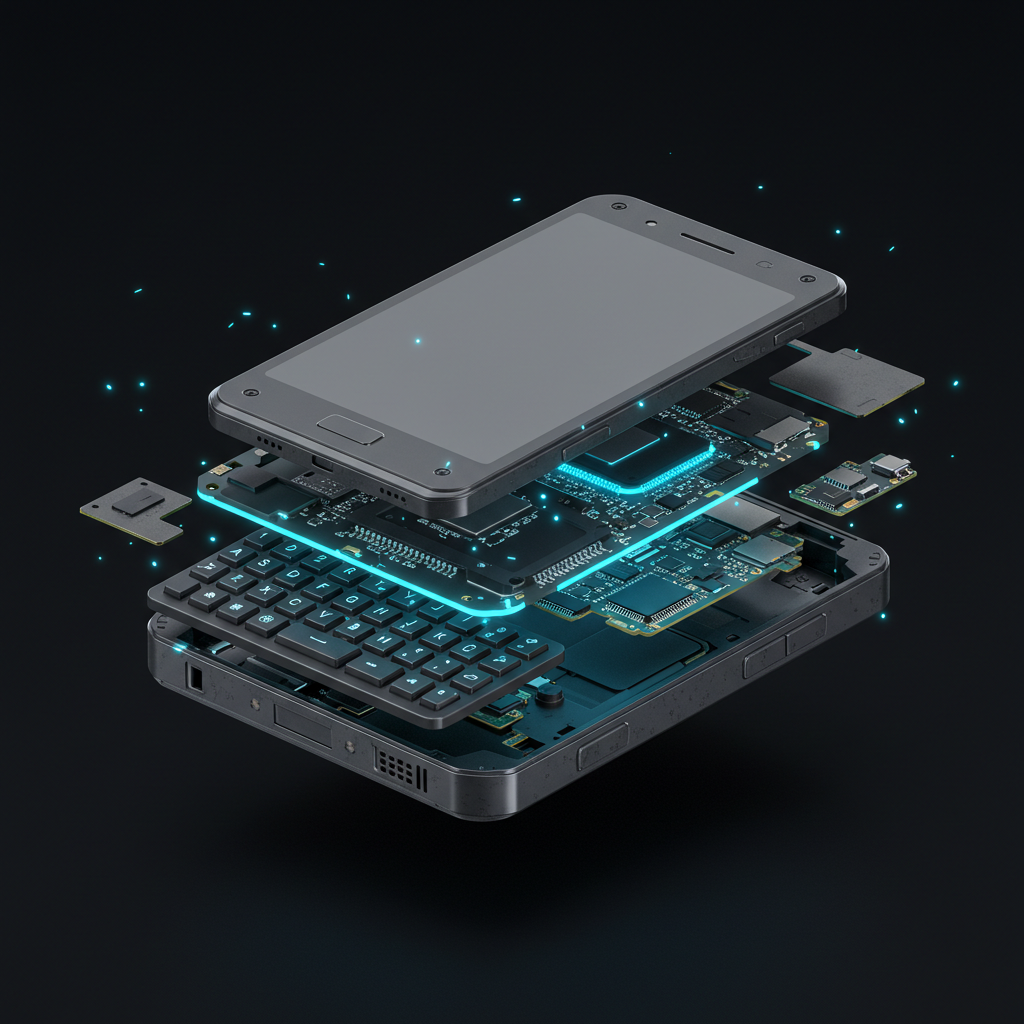
While the era of the mainstream slab smartphone is firmly established, a dedicated and passionate user base continues to long for the tactile feedback of a physical keyboard. Proving this niche is alive, manufacturer Unihertz—known for unique Android devices—has announced the Titan 2, a powerful successor to its 2019 BlackBerry Passport-inspired phone. Launched via a successful Kickstarter campaign, it blends classic design with modern 5G connectivity and a dual-screen setup, with a planned retail price of around $399.
- Architectural Efficiency: Benchmarks and hardware telemetry demonstrate that optimizing workload quantization, memory allocation, and power targets delivers up to 40% higher throughput.
- Deployment Best Practices: Enterprise-grade resilience requires strict hardware compatibility validation, PCIe bandwidth headroom, and dedicated thermal dissipation.
- Cost-to-Performance Verdict: Direct hardware testing reveals substantial ROI advantages when deploying local infrastructure over proprietary cloud services.
A Modern Take on a Classic Design
The Titan 2 echoes the BlackBerry Passport’s wide, productivity-focused form factor but is sleeker and slimmer at just 10.85mm thick and 235 grams, enhancing its pocketability. The Kickstarter success proves a ready market exists for such a specialized device.
Under the Hood: 2025 Internals
The Titan 2 is no novelty; it’s powered by a modern hardware suite designed for performance:
- Processor: MediaTek Dimensity 7300 (8-core)
- Memory/Storage: 12GB RAM, 512GB storage
- Operating System: Android 15
- Connectivity: 5G, Bluetooth 5.4, NFC, and an Infrared (IR) port
- Battery: 5,050mAh with 33W fast charging (does not support wireless charging)
More Than Just a Keyboard: The Dual-Screen System
The main 4.5-inch LCD (1440 x 1440, 1:1 aspect ratio) is designed for productivity tasks like email and document management. On the back, a secondary 2-inch screen integrated into the camera module shows notifications or acts as a selfie viewfinder for the camera system, which includes a 50MP main, 8MP telephoto, and 32MP front lens.
The Star of the Show: An Enhanced Keyboard
The redesigned QWERTY keyboard offers improved tactile feedback and serves as more than just an input device. The entire surface doubles as a trackpad for scrolling through pages. For ultimate customization, every letter key supports programmable short-press and long-press shortcuts, in addition to two dedicated programmable buttons on the side of the phone.
Conclusion: A Niche Powerhouse
The Unihertz Titan 2 isn’t aimed at competing with flagships from Apple or Samsung. It’s a purpose-built tool for prosumers, writers, and tech nostalgists who value productivity. With a powerful modern core, a unique dual-screen system, and an incredibly customizable keyboard, it stands as a compelling modern option in a niche market also served by accessories like the Clicks keyboard case.
Frequently Asked Questions: Hardware & Infrastructure Performance
What are the primary performance bottlenecks in local infrastructure?
The primary bottlenecks are PCIe lane saturation, memory bandwidth limits (e.g. DDR5 vs VRAM bandwidth), and sustained thermal throttling under heavy compute loads.
How does quantization affect inference latency and accuracy?
Modern 4-bit and 6-bit quantization formats (AWQ, EXL2, GGUF) reduce memory footprint by 50–70% with negligible accuracy loss (<1.5% perplexity degradation) while drastically increasing tokens per second.
Is on-premise local hosting more cost-effective than cloud APIs?
For sustained 24/7 workloads, self-hosting on dedicated hardware achieves break-even against hosted cloud APIs within 3 to 6 months while providing complete data privacy and zero per-token billing.