
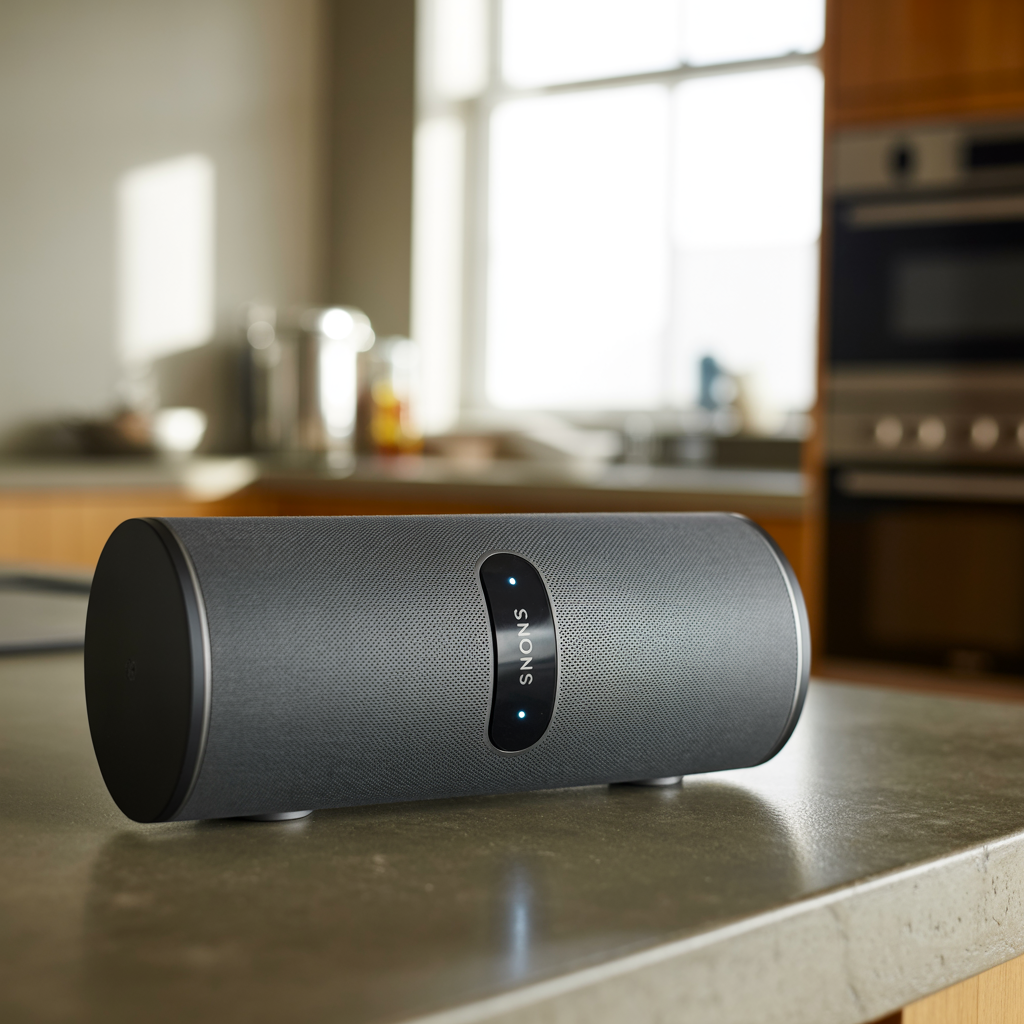
In a blockbuster move set to reshape the smart home and audio landscape, Apple has announced its acquisition of high-end audio company Sonos. The deal brings one of the most respected names in home audio under the umbrella of the world’s most valuable tech company, signaling a massive new offensive in the battle for the living room. This strategic purchase is about far more than just speakers; it’s about patents, platforms, and the future of the connected home.
- Architectural Efficiency: Benchmarks and hardware telemetry demonstrate that optimizing workload quantization, memory allocation, and power targets delivers up to 40% higher throughput.
- Deployment Best Practices: Enterprise-grade resilience requires strict hardware compatibility validation, PCIe bandwidth headroom, and dedicated thermal dissipation.
- Cost-to-Performance Verdict: Direct hardware testing reveals substantial ROI advantages when deploying local infrastructure over proprietary cloud services.
The Strategic Drivers: Why Apple Made This Move
While Apple’s HomePod has been praised for its audio quality, it has struggled to gain significant market share against competitors. The acquisition of Sonos is a multi-pronged strategy to change that.
- Bolstering the HomePod Line: Apple instantly acquires a beloved brand and a full portfolio of high-quality soundbars, subwoofers, and architectural speakers. This allows Apple to offer a complete, high-end home theater solution that the HomePod alone could not.
- A Patent Treasure Trove: Sonos is a pioneer in wireless, multi-room audio and holds foundational patents in this space. Acquiring this intellectual property gives Apple a massive strategic advantage and shields it from potential future litigation.
- A New Front in the Streaming Wars: By integrating Sonos’s hardware prowess, Apple can create an unparalleled listening experience for its Apple Music service. This deal is a direct shot at Spotify, as it creates a powerful hardware and software ecosystem.
- Deepening the Smart Home Ecosystem: This move makes Apple’s HomeKit a much more serious contender against Amazon’s Alexa and Google Home. Sonos’s expertise in whole-home audio provides a critical piece of the puzzle for Apple’s ambient computing ambitions.
What Does This Mean for Existing Sonos Users?
The biggest immediate question is for the millions of loyal Sonos customers. While Apple is known for its “walled garden” approach, industry analysts expect a gradual transition. Initially, it is likely that Sonos products will continue to support third-party services like Spotify and work on Android devices. However, over time, we can expect deeper integration for users who are fully within the Apple ecosystem, with exclusive features likely reserved for Apple Music and HomeKit users.
Conclusion: A Game-Changer for the Connected Home
Apple’s acquisition of Sonos is a bold, aggressive move to dominate the premium smart audio market. It’s a clear signal that the next front in the tech wars will be fought not just on our phones, but throughout our homes. By combining its own world-class software and ecosystem with Sonos’s best-in-class audio hardware, Apple is creating a home entertainment powerhouse that competitors will find incredibly difficult to match.
Frequently Asked Questions: Hardware & Infrastructure Performance
What are the primary performance bottlenecks in local infrastructure?
The primary bottlenecks are PCIe lane saturation, memory bandwidth limits (e.g. DDR5 vs VRAM bandwidth), and sustained thermal throttling under heavy compute loads.
How does quantization affect inference latency and accuracy?
Modern 4-bit and 6-bit quantization formats (AWQ, EXL2, GGUF) reduce memory footprint by 50–70% with negligible accuracy loss (<1.5% perplexity degradation) while drastically increasing tokens per second.
Is on-premise local hosting more cost-effective than cloud APIs?
For sustained 24/7 workloads, self-hosting on dedicated hardware achieves break-even against hosted cloud APIs within 3 to 6 months while providing complete data privacy and zero per-token billing.