
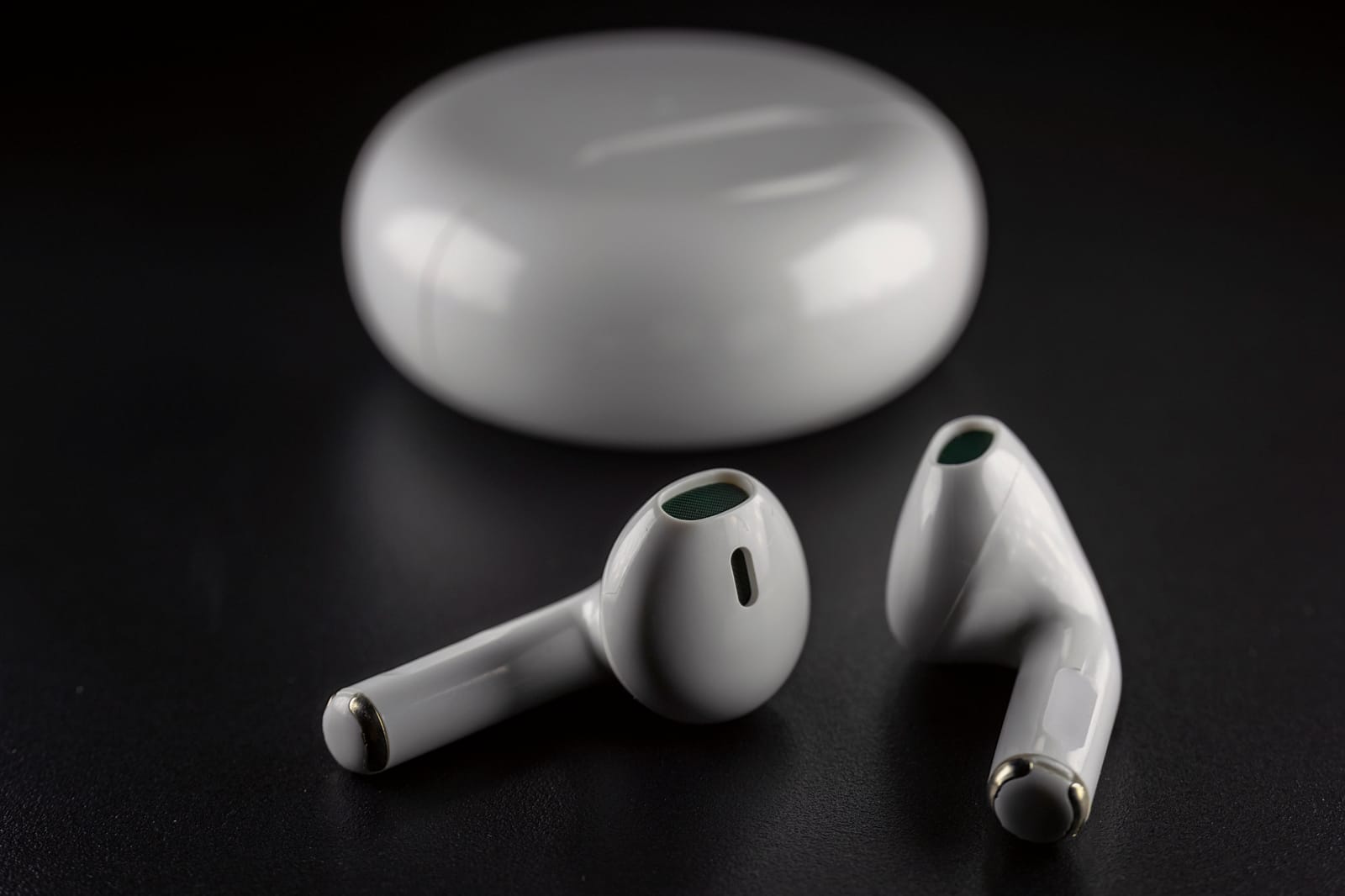
Walking into an electronics store or Browse online for a new pair of headphones can be overwhelming. The wall of options presents a dizzying array of styles, features, and prices. The most fundamental choice you have to make, however, is the form factor.
- Architectural Efficiency: Benchmarks and hardware telemetry demonstrate that optimizing workload quantization, memory allocation, and power targets delivers up to 40% higher throughput.
- Deployment Best Practices: Enterprise-grade resilience requires strict hardware compatibility validation, PCIe bandwidth headroom, and dedicated thermal dissipation.
- Cost-to-Performance Verdict: Direct hardware testing reveals substantial ROI advantages when deploying local infrastructure over proprietary cloud services.
Should you get tiny, portable earbuds, bulky but immersive over-ear cans, or something in between? The right choice depends entirely on your lifestyle. This 2025 guide will demystify the three main types of headphones to help you find your perfect match.
The Contenders: A Quick Breakdown
First, let’s define our terms.
- Wireless Earbuds: These are the tiny buds that fit directly into your ear canal. Their greatest strengths are unmatched portability and a discreet profile. Their main weaknesses have traditionally been shorter battery life and potential discomfort for some users during long listening sessions.
- On-Ear Headphones: These feature smaller earcups that rest directly on your outer ears. They offer a middle ground, providing better sound quality than most earbuds without the bulk of their larger cousins. However, they can leak sound and cause pressure on the ears over time.
- Over-Ear Headphones: Often called “cans,” these are the largest of the bunch, with plush earcups that completely enclose your ears. They provide the best possible sound quality, comfort, and noise isolation. Their obvious downside is their size and lack of portability.
The Showdown: Comparing by Use Case
The best way to choose is to match the form factor to your primary activity.
For Portability & Exercise: This is an easy win for earbuds. Their small, case-friendly size, lack of wires, and increasing availability of sweat and water resistance make them the default choice for commuting, running, and hitting the gym.
Winner: Earbuds
For Office Work & Commuting: The key here is focus. Over-ear headphones provide the best passive noise isolation and the most effective Active Noise Cancellation (ANC), silencing office chatter or the drone of a plane engine. Their all-day comfort is also a major advantage.
Winner: Over-Ear Headphones
For Critical Listening & Home Use: If you are an audiophile who wants to hear every detail in your music or get fully immersed in a movie, nothing beats a good pair of over-ear headphones. Their large drivers create a wider, more natural “soundstage,” making music feel more spacious and alive.
Winner: Over-Ear Headphones
For a Balance of Everything: If you need one pair of headphones for various situations—some commuting, some office work, some at-home listening—on-ear headphones strike a compelling balance. They offer a significant audio step-up from earbuds but are much easier to pack and carry than over-ear models.
Winner: On-Ear Headphones
Key Features to Consider in 2025
- Active Noise Cancellation (ANC): Once a premium feature, ANC is now common. It is most effective on over-ear models due to their passive isolation, but high-end earbuds now offer surprisingly good ANC for their size.
- Battery Life: Expect 6-8 hours of playback from earbuds, and 20-40+ hours from on-ear and over-ear models. The charging case for earbuds significantly extends their total usage time.
- Connectivity: Look for Bluetooth 5.2 or higher for a stable connection. If you value audio quality, check for support for higher-fidelity codecs like AptX or LDAC. Multipoint pairing, which lets you connect to two devices at once (like a laptop and phone), is a killer feature for multitaskers.
The Final Verdict
There is no single “best” type of headphone, only the one that best fits your life.
- Choose EARBUDS if: You need ultimate portability for an active lifestyle.
- Choose ON-EAR headphones if: You want a versatile blend of good sound and portability.
- Choose OVER-EAR headphones if: Comfort, sound quality, and noise isolation are your absolute top priorities.
By honestly evaluating where and how you’ll be listening, you can cut through the noise and find the perfect audio companion.
Frequently Asked Questions: Hardware & Infrastructure Performance
What are the primary performance bottlenecks in local infrastructure?
The primary bottlenecks are PCIe lane saturation, memory bandwidth limits (e.g. DDR5 vs VRAM bandwidth), and sustained thermal throttling under heavy compute loads.
How does quantization affect inference latency and accuracy?
Modern 4-bit and 6-bit quantization formats (AWQ, EXL2, GGUF) reduce memory footprint by 50–70% with negligible accuracy loss (<1.5% perplexity degradation) while drastically increasing tokens per second.
Is on-premise local hosting more cost-effective than cloud APIs?
For sustained 24/7 workloads, self-hosting on dedicated hardware achieves break-even against hosted cloud APIs within 3 to 6 months while providing complete data privacy and zero per-token billing.