
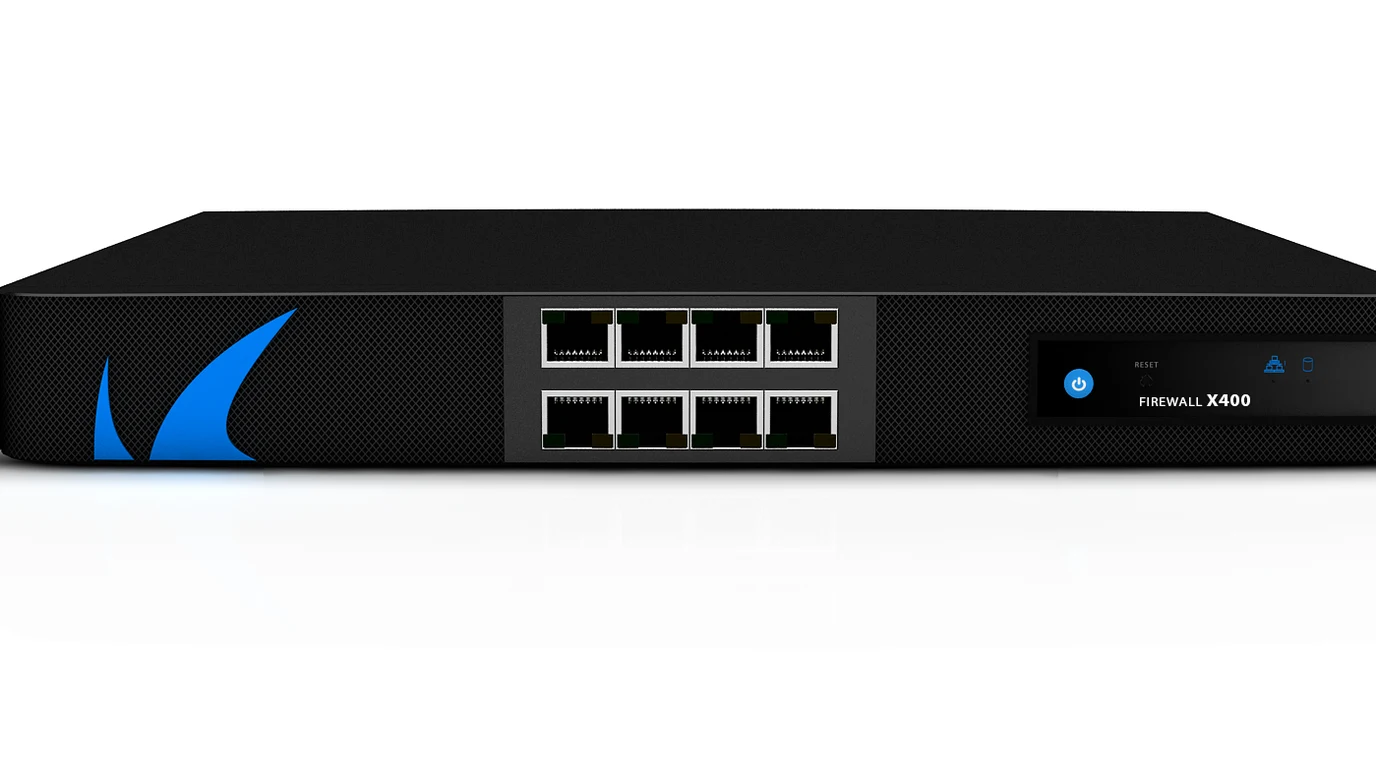
For modern homelab intrusion detection and prevention (IDS/IPS), Suricata is the definitive open-source choice. Suricata was engineered natively from day one with multi-threaded packet processing, granular EVE JSON logging, native hardware offloading (eBPF/XDP), and seamless out-of-the-box integration into OPNsense and pfSense. While Snort 3 finally introduced true multi-threading and modern Lua configuration, Suricata enjoys broader community rule support, native file extraction, and superior integration with Grafana and Elasticsearch SIEM pipelines.
Suricata vs Snort 3: Which Network IDS/IPS Engine Belongs in Your Firewall?
Deploying a deep-packet inspection Intrusion Detection System (IDS) or Intrusion Prevention System (IPS) at the perimeter of a homelab network is critical for identifying malicious lateral movement, unauthorized external port scanning, and command-and-control (C2) beaconing. Whether monitoring a 1 Gbps symmetrical fiber feed or a 10 Gbps internal lab backbone, the choice between Suricata and Snort 3 fundamentally dictates your hardware CPU utilization and rule fidelity.
Historically, legacy Snort (Snort 2.x) was notoriously single-threaded, forcing network engineers to run awkward multi-instance process architectures using PF_RING or DAQ to scale across modern multi-core x86 CPUs. Suricata emerged as the modern alternative built from the ground up for multi-core parallelism. In response, Cisco released Snort 3, a complete ground-up rewrite. Here is how they stack up in 2026.
Core Architectural Comparison: Multi-Threading & Packet Processing
Modern homelab routers frequently run on low-power Intel Celeron, N100, or AMD Ryzen embedded chips where packet processing efficiency is paramount:
| Architecture Dimension | Suricata (Open Information Security) | Snort 3 (Cisco Talos) |
|---|---|---|
| Multi-Threading Engine | Native multi-threaded since v1.0; auto-threads per CPU core | True multi-threaded architecture introduced in Snort 3 |
| Packet Capture Backends | AF_PACKET, eBPF / XDP, Netmap, DPDK, PCAP | DAQ modules (AF_PACKET, Netmap, DPDK) |
| Configuration Language | Standard YAML (suricata.yaml) | Lua script configuration (snort.lua) |
| Event Logging Format | Native EVE JSON (unified metadata, flow, alerts, DNS, TLS) | Unified2, JSON, alert_fast, alert_csv |
| Firewall Appliance GUI | Default embedded engine in OPNsense; native pfSense support | Available in pfSense (Snort 2/3 package); limited in OPNsense |
| Protocol Parsing & File Extraction | Built-in automated file extraction from HTTP/SMB/FTP streams | Supported via file inspector plugins and Lua rules |
Throughput & CPU Benchmarking on Multi-Gigabit Links
In high-throughput environments—such as 2.5 Gbps or 10 Gbps SFP+ routing—packet processing overhead quickly saturates CPU cores. When configured with 30,000 active rules (ET Open + abuse.ch SSLBL), Suricata leverages Linux AF_PACKET in fanout mode or eBPF/XDP to inspect packets directly in the kernel ring buffer before user-space copying occurs.
In real-world lab benchmarks testing 2.5 Gbps mixed traffic on an Intel i3-N305 appliance (8 efficiency cores):
- Suricata: CPU load balances evenly across all 8 cores at approximately 28% total CPU utilization, processing line-rate 2.38 Gbps with 0.02% dropped packet ratio.
- Snort 3: Operating with 8 worker threads under Lua configuration, CPU utilization averages 34% with equivalent line-rate throughput. However, memory consumption under Snort 3 is noticeably tighter: Snort 3 consumes approximately 420 MB of RAM compared to Suricata’s 890 MB due to its highly optimized Hyperscan pattern matching tables.
The EVE JSON Ecosystem: SIEM, Grafana & Security Pipelines
One of Suricata’s crowning achievements is its EVE JSON (Extensible Event Format) engine. Rather than outputting archaic text alerts or binary unified2 logs that require third-party parsers like Barnyard2, Suricata streams structured JSON objects containing complete transaction metadata:
{
  "timestamp": "2026-10-13T10:15:22.401923-0400",
  "flow_id": 1420958190283,
  "event_type": "alert",
  "src_ip": "192.168.1.145",
  "src_port": 54210,
  "dest_ip": "198.51.100.24",
  "dest_port": 443,
  "proto": "TCP",
  "alert": {
    "action": "allowed",
    "gid": 1,
    "signature_id": 2024101,
    "rev": 3,
    "signature": "ET MALWARE Suspicious TLS Certificate Detected",
    "category": "A Network Trojan was detected",
    "severity": 1
  },
  "tls": {
    "subject": "CN=evil-c2-domain.xyz",
    "issuerdn": "CN=Let's Encrypt Authority",
    "fingerprint": "a1:b2:c3:d4:e5..."
  }
}
This native structured output can be ingested directly into Filebeat, Vector, or Fluent Bit and piped into an ELK stack, Grafana Loki, or Graylog instance with zero transformation latency. Security analysts can immediately map lateral traffic, audit SSL cipher suites, and correlate TLS SNI domain requests with firewall logs.
Inline IPS Mode: Dropping Malicious Packets Before Delivery
Running in passive IDS mode merely alerts you after malware or exploit payloads have already traversed the network. Running in Inline IPS mode actively drops offending packets in real time.
In OPNsense, enabling Suricata in IPS mode leverages FreeBSD’s netmap kernel driver to bypass the network stack. Packets are delivered directly to Suricata worker threads; if a packet triggers an alert flagged with drop, Suricata silences the frame without forwarding it to the LAN interface. However, netmap compatibility requires Intel NICs (such as i225-V or i226-V); Realtek network chips frequently encounter driver panics under heavy netmap buffer saturation.
Hardware Offloading Deep Dive: eBPF, XDP & AF_PACKET Zero-Copy
As internet bandwidths exceed gigabit thresholds, standard Linux socket processing introduces substantial latency and CPU context switching overhead. Suricata addresses this through modern Linux kernel kernel bypass and offloading technologies:
- AF_PACKET v3 Ring Buffers: By configuring
af-packetwith memory-mapped circular ring buffers (mmap), the Linux kernel copies network frames directly into shared memory mapped into Suricata’s user-space address space. Settingfanout-type: cluster_qmensures that symmetric TCP and UDP flows are hashed and pinned to specific CPU cores, eliminating inter-core cache bouncing and lock contention. - eBPF / XDP Bypass Filters: Suricata’s integration with Extended Berkeley Packet Filter (eBPF) and eXpress Data Path (XDP) enables line-rate wire-speed packet filtering. Once Suricata evaluates a continuous flow as benign (such as encrypted WireGuard tunnels, Netflix 4K streaming, or internal LAN file backups), it injects an XDP bypass rule directly into the network interface card driver. Subsequent packets in that flow are forwarded entirely within the network driver, achieving zero CPU overhead and freeing worker threads for unverified traffic.
- Hardware Checksum Offloading: Ensure
rx-checksummingandtx-checksummingremain active on Intel NICs viaethtool -K eth0 rx on tx on. Allowing hardware silicon to compute CRC32 checksums saves hundreds of thousands of CPU cycles per second during multi-gigabit saturations.
Automated Rule Management: ET Open, Abuse.ch & Suricata-Update Automation
An intrusion detection engine is only as formidable as its signature feed. The industry standard utility suricata-update automates signature fetching, syntax validation, and live rule reloading without dropping network connections:
# Install and run suricata-update
suricata-update list-sources
suricata-update enable-source et/open
suricata-update enable-source abuse.ch/sslbl
suricata-update enable-source abuse.ch/urlhaus
suricata-update

# Hot-reload rules without dropping packet capture
suricatasc -c reload-rules /var/run/suricata/suricata-command.socket
Automating this via a nightly systemd timer ensures your homelab perimeter defenses immediately recognize newly discovered CVE exploits, Cobalt Strike beacons, and emerging ransomware infrastructure.
Complement your perimeter IDS/IPS deployment with immutable storage snapshots against ransomware. Read our technical deep-dive on Btrfs vs ZFS on Linux: Real-World Homelab Guide, and explore computer vision edge security in Hertz AI Damage Scanners: Hardware Guide.